
Lifestyle Changes to Control Blood Pressure Naturally
Why Lifestyle Matters for Blood Pressure
High blood pressure often improves when daily habits improve. For many people, the right routine can reduce readings enough to delay or avoid increasing medicine, but only under a doctor’s guidance. The most effective lifestyle changes to control blood pressure usually involve food, movement, sleep and stress management together.
These changes matter because blood pressure responds strongly to salt intake, weight, activity levels and stress hormones. Even small improvements can lower pressure over time and support heart health.
Cut Down Salt Without Losing Taste
Salt is one of the biggest drivers of high BP. Many people think they are eating “normal” salt, but packaged foods, pickles, sauces, restaurant meals and snacks often contain a lot more sodium than expected.
Try these practical steps:
- Reduce packaged and processed foods.
- Limit pickles, papad, chips and instant foods.
- Ask for less salt when eating outside.
- Use lemon, herbs, pepper, cumin and garlic for flavor.
- Read nutrition labels and choose lower-sodium options.
You do not need to make food bland. The goal is to train your taste buds gradually so less salt still tastes satisfying.
Eat a Blood Pressure-Friendly Plate
A smart blood pressure diet is not about starvation. It is about choosing foods that support blood vessel health and help the body hold less fluid.
A good plate usually includes:
- More vegetables.
- Fruits in reasonable portions.
- Whole grains instead of refined flour.
- Dal, beans, lentils, eggs, fish or lean protein.
- Low-fat curd or other calcium-rich foods if tolerated.
Helpful habits:
- Keep portions moderate.
- Avoid heavy oily gravies often.
- Reduce sugary drinks.
- Choose home-cooked meals more often than restaurant meals.
If you already have diabetes or weight gain, the same eating pattern can help both conditions at once.
Move More, Even If You Are Busy
Exercise is one of the best ways to support natural blood pressure control. You do not need intense workouts to benefit. Regular movement helps blood vessels stay flexible, improves circulation and reduces stress hormones.
Simple ways to move more:
- Walk briskly for 30 minutes most days.
- Take stairs when possible.
- Stretch after sitting for long periods.
- Use short walking breaks during work.
- Try yoga, cycling or light strength training.
If you are starting from zero, begin with 10-minute walks and build up slowly. Consistency matters more than intensity.
Lose Even a Little Weight
If you are overweight, even a modest reduction can lower BP. A smaller waist often means the heart does not have to work as hard.
Useful ideas:
- Avoid late-night overeating.
- Reduce portions gradually.
- Replace sugary snacks with fruits or nuts.
- Stay active after meals.
- Track progress weekly, not daily.
You do not need dramatic weight loss to see benefit. Small, steady changes often lead to meaningful BP improvement.
Improve Sleep Quality
Poor sleep can raise blood pressure by increasing stress hormones and affecting how the body handles salt and fluid. People who sleep poorly often feel tired, hungry and more stressed, which can make healthy habits harder to follow.
Sleep better by:
- Going to bed and waking up at similar times.
- Avoiding screens right before sleep.
- Keeping the room dark and quiet.
- Limiting caffeine later in the day.
- Treating snoring or breathing pauses seriously.
Good sleep is not a luxury. It is part of BP control.
Manage Stress in Simple Ways
Stress does not just affect mood. It can push blood pressure higher, especially when it becomes constant. Over time, repeated stress can make BP harder to control even with medicine.
Try:
- Deep breathing for a few minutes daily.
- Short prayer, meditation or mindfulness practice.
- A walk after work.
- Talking to someone you trust.
- Taking breaks from screens and news overload.
The goal is not to remove all stress. The goal is to lower your body’s stress response often enough that BP stays calmer.
Limit Alcohol and Quit Tobacco
Alcohol can raise blood pressure in many people, especially when taken often or in larger amounts. Tobacco is even worse because it damages blood vessels and increases cardiovascular risk.
If you drink:
- Keep it moderate or avoid it if your doctor advises.
- Never use alcohol to manage stress.
If you smoke or use tobacco:
- Quitting is one of the strongest steps you can take for your heart and BP.
This is one area where small change brings very large benefit.
Monitor BP at Home
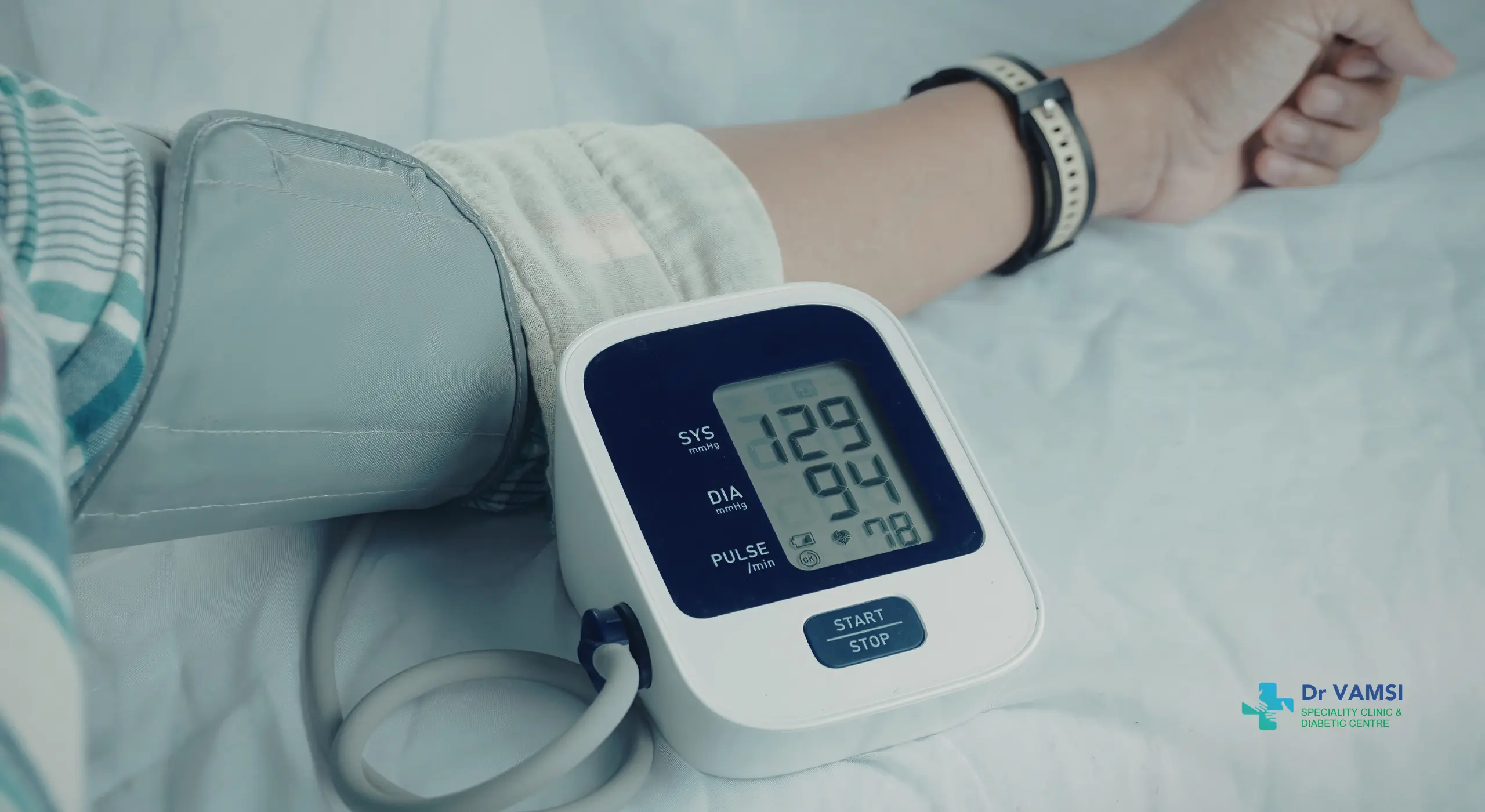
Home monitoring helps you and your doctor understand the real pattern of your blood pressure. Office readings can be higher due to stress, while home readings show the daily trend.
For accurate readings:
- Use a validated arm-cuff device.
- Sit quietly for a few minutes first.
- Keep feet flat and arm at heart level.
- Take readings at the same time each day.
- Record values and share them with your doctor.
Home data helps avoid overreacting to one reading and supports better decisions about treatment.
Do Not Stop Medicines on Your Own
Lifestyle changes can be powerful, but they should not replace medical advice. Some people need medication even after improving diet and exercise. Others may eventually need less medicine if their blood pressure improves, but that decision must be made by a doctor.
The safest approach is:
- Keep taking your current medicine unless advised otherwise.
- Track BP regularly.
- Share lifestyle improvements and readings with your doctor.
- Ask before changing dose or timing.
The goal is better control, not risky self-adjustment.
A Simple Daily Routine
If you want a practical routine, try this:
- Morning: Check BP if advised, drink water, walk 20-30 minutes.
- Meals: Keep salt low, eat balanced portions.
- Workday: Stand up and stretch every hour.
- Evening: Light walk after dinner.
- Night: Sleep on time and avoid late snacking.
A repeatable routine makes progress easier than trying to “be perfect” every day.
Final Word
The best lifestyle changes to control blood pressure are the ones you can actually maintain. Eat less salt, move more, sleep better, manage stress and monitor your readings regularly. These habits can reduce strain on your heart and may help you avoid increasing medication, but always work with your doctor before making treatment changes.
FAQs
1. Can lifestyle changes lower BP enough to avoid more medicine?
Sometimes yes, especially when changes are consistent and started early.
2. How much exercise helps blood pressure?
Regular brisk walking for about 30 minutes most days is a strong start.
3. Does reducing salt really matter?
Yes. Salt reduction is one of the most effective BP-lowering changes.
4. Can stress alone raise blood pressure?
Yes, especially when stress is frequent and sleep is poor.
5. Should I stop BP medicine if my readings improve?
No, not without your doctor’s advice.