

Winter GERD & Acid Reflux: Managing Post-Holiday Heartburn in Bangalore
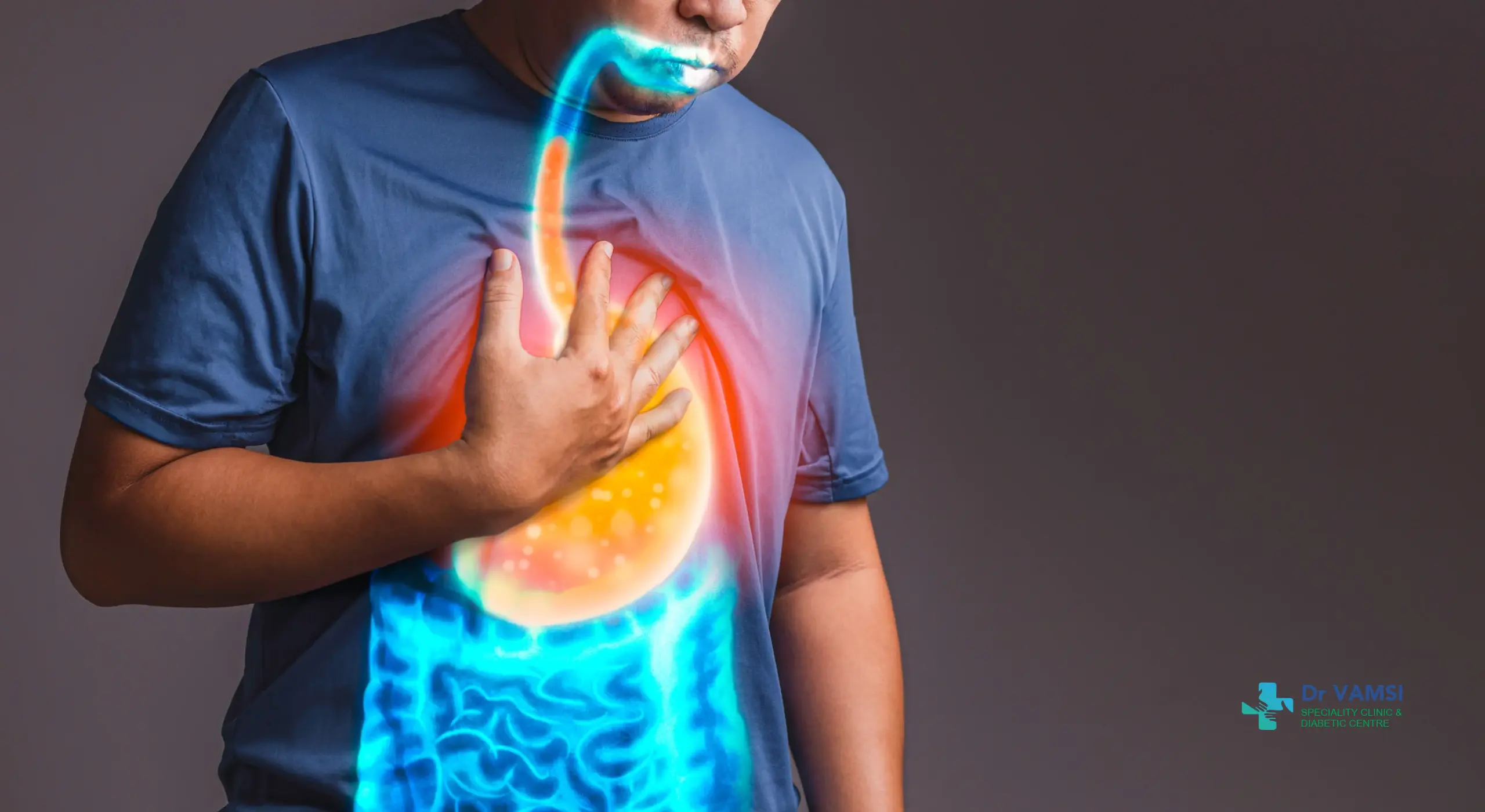
Table of Contents
Winter GERD & Acid Reflux: Managing Post-Holiday Heartburn in Bangalore
As November brings crisp evening air and cooler night temperatures across Bangalore, healthcare clinics experience a sharp rise in patients presenting with persistent chest burning, sour stomach regurgitation, and throat discomfort. While many individuals attribute post-holiday digestive distress to occasional overeating, the onset of cold weather introduces specific physiological and dietary triggers that transform mild indigestion into chronic Gastroesophageal Reflux Disease (GERD).
For residents in Whitefield, Mahadevapura, and Electronic City, finding effective gerd acid reflux treatment Whitefield clinics offer becomes a top health priority during this seasonal transition. Understanding how cold temperatures, altered gastric motility, and winter comfort foods interact with the Lower Esophageal Sphincter (LES) is essential for preventing painful nighttime flare-ups and protecting long-term esophageal health.
The Biological Mechanism: How Winter Weather Triggers Acid Reflux
Gastroesophageal Reflux Disease (GERD) occurs when stomach acid, digestive enzymes, and partially digested food repeatedly flow backward into the esophagus, the muscular tube connecting your throat to your stomach. Under normal conditions, a ring of muscle at the bottom of the esophagus called the Lower Esophageal Sphincter (LES) acts as a one-way valve, opening to allow food into the stomach and closing tightly to prevent backflow.
During the winter months, several physiological shifts compromise LES function and stomach emptying:
1. Delayed Gastric Emptying (Gastroparesis-like Effect): Exposure to cold ambient temperatures alters autonomic nervous system activity, slowing down gastrointestinal motility. When food remains in the stomach for extended periods, intragastric pressure rises, forcing gastric acid upward against the LES.
2. Reduced Physical Activity & Supine Position: Cold winter evenings encourage individuals to lie down or lounge on sofas soon after heavy dinners. In a horizontal position, gravity no longer assists in keeping stomach contents down, resulting in severe nighttime acid regurgitation.
3. Cold-Induced Diaphragmatic Tightness: The diaphragm muscle helps anchor the LES in place. Involuntary muscle shivering and cold-induced tension can alter diaphragmatic alignment, increasing the risk of transient LES relaxations.
4. Visceral Hypersensitivity: Drop in environmental temperatures increases nerve sensitivity throughout the digestive tract, making even normal levels of stomach acid feel intensely painful.
November Risk Factors: Why GERD Surges After the Festive Season
The arrival of November in Bangalore coincides with distinct lifestyle changes that create a “perfect storm” for hyperacidity and acid reflux:
- Post-Festive Rich Diets: Deep-fried delicacies, ghee-laden sweets, and heavily spiced festive meals lingering from Diwali slow down stomach emptying and stimulate excessive gastric acid secretion.
- Increased Caffeine and Hot Beverage Consumption: To combat chilly morning and evening winds, many IT professionals increase their daily intake of hot tea, coffee, or espresso drinks. Caffeine relaxes the LES muscle valve, allowing stomach acid to surge upward.
- Late Dinners & Sleep Disruption: Shorter winter daylight hours and busy work schedules lead to late-night suppers. Sleeping within 2 to 3 hours of eating is a leading cause of nocturnal GERD.
- Reduced Water Intake: Cool weather blunts the body’s thirst mechanism, leading to sub-clinical dehydration. Adequate hydration is necessary to produce saliva, which contains bicarbonate that naturally neutralizes esophageal acid.
Clinical Comparison Matrix: GERD vs. Functional Heartburn vs. Cardiac Discomfort
Clinical Parameter | Gastroesophageal Reflux (GERD) | Functional Heartburn | Cardiac Chest Pain (Angina / Attack) |
Primary Underlying Cause | Incompetent LES valve & stomach acid backflow | Esophageal hypersensitivity without acid backflow | Myocardial ischemia (reduced cardiac blood flow) |
Pain Description | Burning sensation behind breastbone rising toward throat | Dull or burning sensation unaffected by antacids | Tightness, squeezing, heavy pressure across chest |
Common Triggers | Heavy meals, lying down, citrus, spicy foods, coffee | Emotional stress, anxiety, visceral hyper-reactivity | Physical exertion, emotional stress, extreme cold air |
Nighttime Presentation | Frequent (worsens when lying flat) | Variable | May occur at rest in severe cases |
Response to Antacids / PPIs | Rapid relief within 20 to 40 minutes | Minimal to no relief | No relief (requires emergency nitroglycerin/care) |
Associated Symptoms | Sour taste in mouth, chronic throat clearing, hoarseness | Anxiety, irritable bowel symptoms (IBS) | Radiating pain to left arm/jaw, shortness of breath, cold sweat |
High-Risk Patient Groups Requiring Gerd Acid Reflux Treatment Whitefield Solutions
While anyone can experience occasional heartburn, specific patient groups require comprehensive gerd acid reflux treatment Whitefield specialists provide:
- Patients with Type 2 Diabetes: Diabetic gastroparesis (nerve damage affecting stomach emptying) causes severe food retention and chronic acid surges.
- Working Professionals & Desk Workers: Prolonged abdominal compression from sitting combined with high stress and late-night caffeine intake accelerates LES weakness.
- Individuals Managing Obesity: Excess abdominal fat exerts physical pressure on the stomach, forcing acid past the LES valve.
- Seniors & Older Adults: Age-related weakening of the esophageal smooth muscle and diaphragmatic hiatus increases susceptibility to Hiatal Hernias.
5-Step Action Plan for Winter Acid Reflux Relief
Managing winter hyperacidity requires combining smart dietary modifications, postural habits, and specialized gerd acid reflux treatment Whitefield medical protocols:
1. Implement the “3-Hour Sleep Buffer Rule”
Never lie down, recline, or sleep within 3 hours of your last meal. Allow gravity to assist your stomach in digesting and emptying food before you assume a horizontal position.
2. Elevate the Head of Your Bed
If you suffer from nighttime acid reflux, elevate the head of your bed by 6 to 8 inches using bed risers or a firm wedge pillow. Sleeping at an incline physically prevents stomach acid from flowing upward into the esophagus overnight.
3. Practice Smart Winter Food Swaps
Identify and eliminate personal reflux triggers. Swap deep-fried snacks, citrus fruits, raw onions, and heavy caffeinated beverages for gentle, alkaline alternatives like oatmeal, bananas, ginger tea, steamed vegetables, and lean proteins.
4. Hydrate with Warm Alkaline Fluids
Maintain consistent fluid intake throughout the day by sipping warm water or herbal chamomile tea. Saliva production stimulated by warm fluids helps flush acid out of the esophagus.
5. Avoid Tight Abdominal Clothing
Tight belts, waistbands, and restrictive winter garments increase intra-abdominal pressure, squeezing stomach contents upward against the LES.
Expert Gastroenterology & Medical Care at Dr. Vamsi Clinic
When lifestyle adjustments are insufficient to control burning chest discomfort, seeking expert gerd acid reflux treatment Whitefield clinics offer is critical to prevent esophageal inflammation (esophagitis), strictures, or Barrett’s esophagus.
At Dr. Vamsi Speciality Clinic & Diabetic Centre in Whitefield, Dr. Vamsavardhana Reddy P (MBBS, MD General Medicine) offers personalized, evidence-based care for complex digestive disorders:
1. Comprehensive Diagnostic Evaluation: Differentiating true GERD from functional dyspepsia, cardiac chest pain, or H. pylori bacterial infections.
2. Targeted Pharmacotherapy: Prescribing age-appropriate Proton Pump Inhibitors (PPIs), H2-receptor blockers, prokinetic agents, and mucosal protectants to heal inflamed esophageal tissue.
3. Diabetic Gastroparesis Screening: Specialized management for diabetic patients experiencing delayed stomach emptying and glycemic instability.
4. Lifestyle & Nutritional Counseling: Customized meal plans designed to soothe hyperacidity while maintaining optimal winter nutrition.
Frequently Asked Questions (FAQs)
1. Why does acid reflux get worse during winter in Bangalore?
Winter temperatures slow down stomach emptying (gastric motility), while cold-weather diets rich in spicy foods, coffee, tea, and fried snacks relax the Lower Esophageal Sphincter (LES) valve, allowing stomach acid to flow upward.
2. What are the earliest symptoms that require gerd acid reflux treatment Whitefield evaluation?
Early signs include persistent burning behind the breastbone, a sour or bitter fluid taste in the back of the throat, chronic morning throat clearing, hoarseness, and difficulty swallowing.
3. Why should I seek gerd acid reflux treatment Whitefield medical care early?
Early intervention prevents acid-induced esophageal damage, ulcers, and chronic sleep disruption.
4. How can I differentiate heartburn from a heart attack?
Heartburn typically produces a burning sensation rising upward that improves with antacids or upright posture. Cardiac pain feels like intense squeezing, heavy pressure, or tightness radiating to the left arm, neck, or jaw, often accompanied by cold sweating and shortness of breath.
5. Is hot tea or coffee safe for acid reflux patients in cold weather?
High caffeine content in coffee and strong tea relaxes the lower esophageal sphincter muscle, directly triggering acid reflux. Switching to herbal teas like chamomile or warm water with ginger is much safer.
6. Can sleeping on my left side help reduce nighttime acid reflux?
Yes. Sleeping on your left side positions the stomach below the gastroesophageal junction, making it physically harder for stomach acid to leak upward into the esophagus.
7. Are OTC antacids safe for long-term daily use?
Over-the-counter antacids provide quick, short-term relief by neutralizing stomach acid, but they do not heal underlying esophageal inflammation. Frequent daily reliance on antacids can cause electrolyte imbalances and should be evaluated by a medical doctor.
8. How does Type 2 diabetes worsen acid reflux in winter?
Diabetes can cause autonomic neuropathy affecting the vagus nerve, leading to delayed stomach emptying (gastroparesis). Retained stomach contents create high pressure that forces stomach acid upward.
9. What is the elevated head bed technique for GERD?
Elevating the head of your bed by 6 to 8 inches using solid bed risers or a therapeutic wedge pillow uses gravity to keep stomach acid inside the stomach while you sleep. Extra head pillows alone are ineffective because they only bend the neck without elevating the torso.
10. Can winter cold water drinks trigger stomach spasms and reflux?
Drinking ice-cold water can trigger sudden esophageal spasms and slow down stomach digestion. Sipping warm or room-temperature water promotes smooth gastric motility and prevents hyperacidity.
11 How does Dr. Vamsi Speciality Clinic customize gerd acid reflux treatment Whitefield plans?
Our clinic combines dietary modification, targeted acid-suppression therapy, gastroparesis evaluation, and long-term lifestyle guidance tailored to your health profile.
12. When should I visit Dr. Vamsi Speciality Clinic for acid reflux?
You should seek medical evaluation if heartburn occurs more than twice a week, fails to respond to dietary tweaks, causes difficulty swallowing, results in unexplained weight loss, or interrupts your sleep regularly.
This article is for educational purposes. For personalized medical advice, diagnostic testing, and comprehensive gerd acid reflux treatment Whitefield solutions, schedule a consultation with Dr. Vamsavardhana Reddy P at Dr. Vamsi Speciality Clinic & Diabetic Centre.