

Cholesterol Explained: Good, Bad, Triglycerides Guide
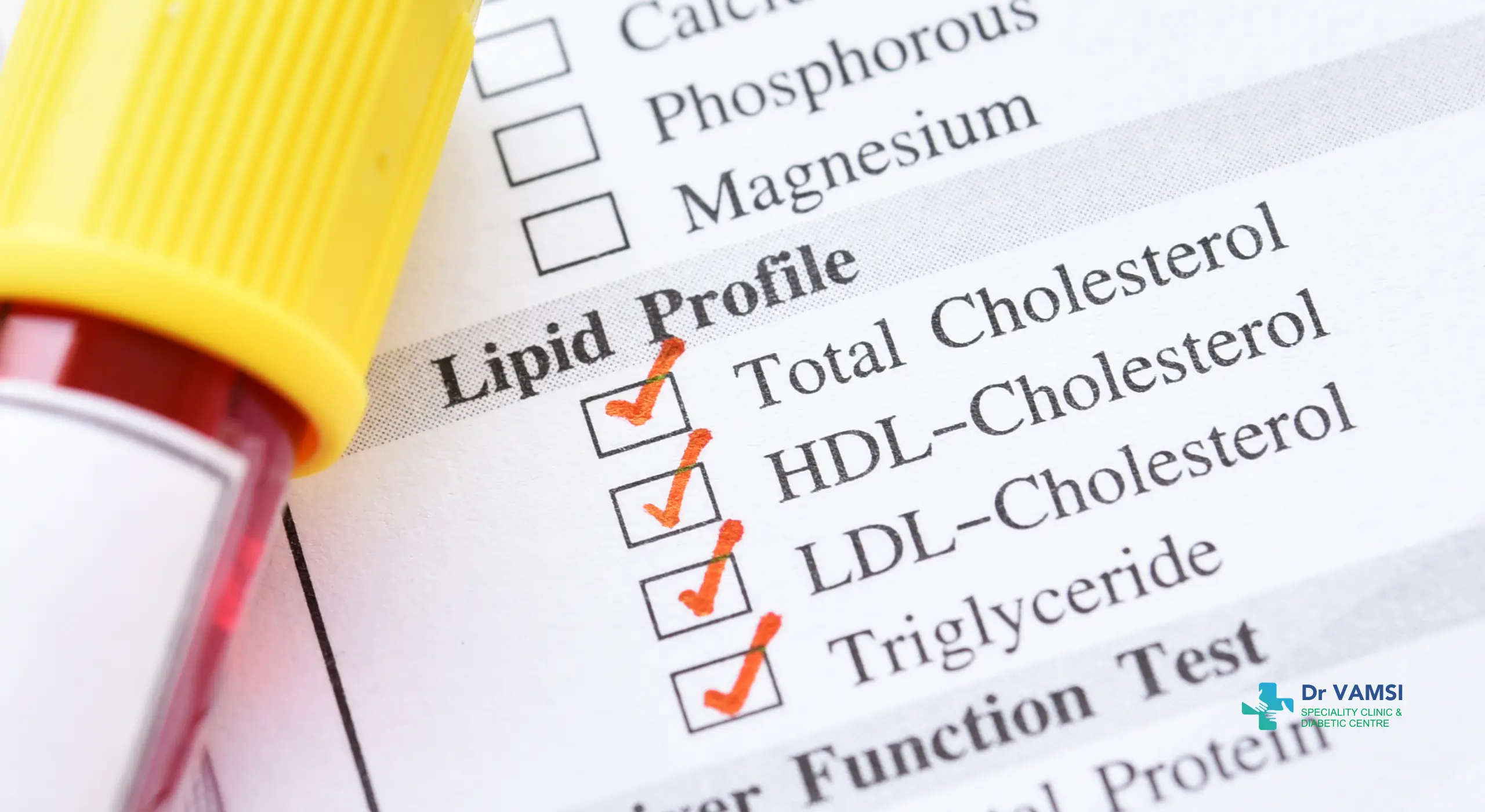
Cholesterol Explained
What is Cholesterol and Why Does it Matter?
Cholesterol is a waxy, fat-like substance in every cell of your body, essential for building hormones, vitamin D and cell membranes. Your liver makes most of it, and you get some from animal foods like meat, eggs and dairy. While necessary, too much, especially the wrong types, builds up in arteries, raising heart attack and stroke risk.
Problems arise when cholesterol levels are imbalanced, often silently until a health checkup reveals issues. In India, rising cases link to diets high in fried foods, sweets and low activity. Understanding cholesterol explained helps you take control early.
Good Cholesterol vs Bad Cholesterol: The Basics
Think of cholesterol like traffic on your blood highways:
- LDL (Low-Density Lipoprotein) – “Bad” cholesterol: Carries cholesterol to arteries, where it forms plaque, narrowing vessels (atherosclerosis).
- HDL (High-Density Lipoprotein) – “Good” cholesterol: Acts like a cleaner, scooping excess cholesterol from blood and arteries back to the liver for removal.
High LDL clogs pipes; high HDL keeps them clear. Triglycerides, another blood fat, worsen the picture when elevated.
What are Triglycerides?
Triglycerides are fats from extra calories (sugars, carbs, alcohol) stored in fat cells. High levels (>150 mg/dL) make blood thick and promote plaque. They often rise with high carbs, obesity and diabetes.
Unlike cholesterol carried by proteins (lipoproteins), triglycerides are pure fats. Spikes post-meal are normal, but fasting highs signal metabolic issues.
Normal Cholesterol Levels: What Your Report Means
Standard targets (mg/dL) from lipid profile tests:
| Component | Desirable | Borderline | High |
| Total Cholesterol | <200 | 200-239 | ≥240 |
| LDL (“Bad”) | <100 | 130-159 | ≥160 |
| HDL (“Good”) | ≥60 | 40-59 (men), 50-59 (women) | <40 (men), <50 (women) |
| Triglycerides | <150 | 150-199 | ≥200 |
| Non-HDL (Total – HDL) | <130 | 130-159 | ≥160 |
South Asians like Indians need stricter targets due to higher heart risks. Get tested fasting (9-12 hours) for accuracy. Annual checks advised after 30 or with risks.
Causes of High Cholesterol and Triglycerides
Imbalances stem from:
- Diet: Saturated fats (butter, red meat), trans fats (bakery), excess sugars/fructose.
- Lifestyle: Sedentary habits, smoking, excess alcohol.
- Genetics: Familial hypercholesterolemia (high LDL from birth).
- Medical: Hypothyroidism, diabetes, kidney disease, obesity.
- Age/Gender: Rises post-40; women post-menopause.
In Bengaluru, IT professionals face high triglycerides from late nights, junk food and stress.
Health Risks of Imbalanced Cholesterol
Plaque buildup leads to:
- Coronary artery disease (heart attacks).
- Stroke from brain vessel blocks.
- Peripheral artery disease (leg pain).
- Fatty liver, pancreatitis (very high triglycerides).
Combined with high BP or diabetes (metabolic syndrome), risks multiply.
How Cholesterol is Tested and Diagnosed
Lipid profile: Simple blood test, part of routine checkups. Home collection available.
Other tests: Apolipoprotein B (advanced plaque marker), CAC score (artery calcium).
Physicians interpret with your age, family history and symptoms.
Simple Ways to Lower Bad Cholesterol and Triglycerides
Lifestyle first; meds if needed.
Diet tips:
- Cut saturated/trans fats; choose olive oil, nuts.
- Soluble fiber: Oats, apples, beans bind cholesterol.
- Omega-3s: Fatty fish, flaxseeds lower triglycerides.
- Limit sugars: No colas, sweets.
Exercise: 30-45 min brisk walk daily boosts HDL, lowers LDL/triglycerides.
Weight loss: 5-10% drop improves all markers.
Quit smoking: Doubles HDL benefits.
Indian meal ideas: Millet roti, dal, veggies; avoid ghee-laden curries.
Medications for High Cholesterol
If lifestyle insufficient:
- Statins (atorvastatin): Lower LDL by 20-50%.
- Fibrates/Ezetimibe: For triglycerides/high LDL.
- PCSK9 inhibitors: Injections for genetic cases.
Monitored by doctors; side effects rare but checked via liver tests.
Role of Regular Health Checkups
Catch issues early at clinics like Dr. Vamsi in Whitefield. Packages include lipid profiles with physician advice.
Myths About Cholesterol Debunked
- Myth: “Only old people worry”—Young Indians affected.
- Myth: “Eggs raise cholesterol”—Yolks fine in moderation.
- Myth: “Low-fat diets best”—Healthy fats matter.
- Myth: “Supplements replace meds”—Not proven.
Focus on overall pattern, not single foods.
FAQs on Cholesterol Explained
1. What foods raise bad cholesterol?
Saturated fats (butter, fatty meats), trans fats (processed snacks), excess sugars increase LDL/triglycerides.
2. How to increase good HDL cholesterol?
Exercise, healthy weight, olive oil, nuts, quitting smoking, moderate alcohol (if any).
3. Are home remedies effective?
Garlic, fenugreek help mildly; not substitutes for lifestyle/meds. Consult doctor.
4. When to start cholesterol testing?
Age 20 if family history; 30+ routinely, or with risks like diabetes/overweight.
5. Can high cholesterol cause symptoms?
Usually silent; detected via tests. Yellow eye/skin deposits (xanthomas) rare sign.