

What Is Type 2 Diabetes? Symptoms, Causes and Treatment
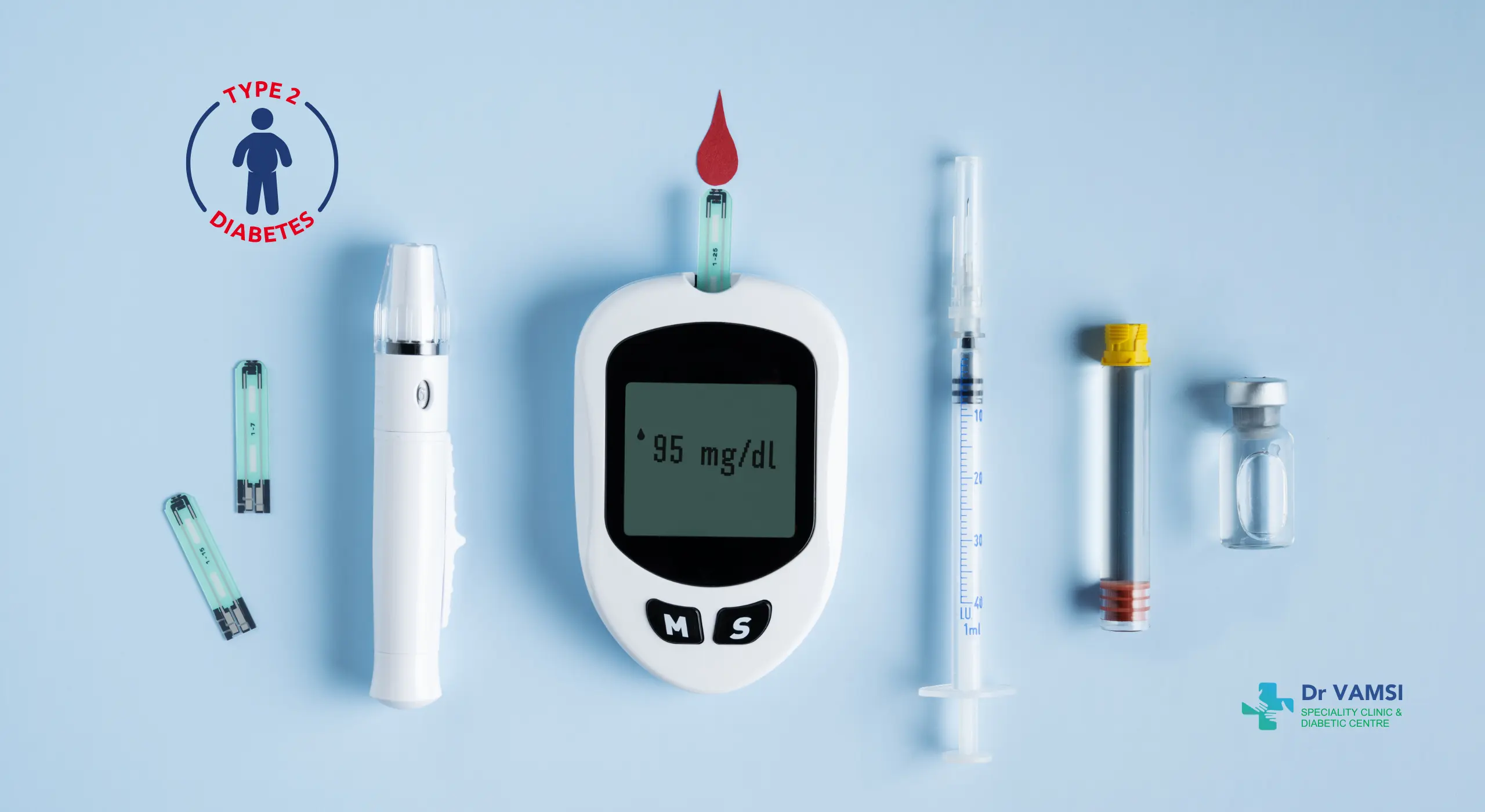
Type 2 diabetes
What is Type 2 Diabetes?
Type 2 diabetes is a long‑term condition in which the body cannot use insulin properly, leading to persistently high blood sugar levels. Over time, this raised sugar can silently damage the heart, kidneys, eyes, nerves and blood vessels if not treated correctly. In India, the number of adults living with type 2 diabetes is rising rapidly, especially in cities and among younger age groups.
In simple terms, insulin works like a key that helps sugar move from the blood into the cells to produce energy. In type 2 diabetes, the body either does not respond well to insulin (insulin resistance) or does not make enough insulin, so sugar remains in the bloodstream. This is why regular screening, early diagnosis and proper follow‑up with a diabetologist or experienced physician are so important.
Common Symptoms of Type 2 Diabetes
Type 2 diabetes often develops slowly, and many people do not notice symptoms in the early stages. However, certain warning signs are common and should never be ignored.
Typical symptoms of type 2 diabetes include:
- Increased thirst and dry mouth
- Frequent urination, especially at night
- Feeling very hungry even after eating
- Unexplained weight loss
- Extreme tiredness or lack of energy
- Blurred vision
- Slow‑healing wounds or frequent infections
- Dark, velvety patches on the neck or armpits (acanthosis nigricans)
Some people are diagnosed only when they come with complications like heart disease, stroke, kidney problems or eye issues. That is why anyone at high risk should check blood sugar regularly, even if they feel “normal”.
Causes and Risk Factors
Type 2 diabetes usually develops due to a combination of genetics and lifestyle. The body becomes resistant to insulin, and the pancreas cannot keep up with the extra demand, so blood sugar levels gradually rise.
Important risk factors for type 2 diabetes include:
- Family history of diabetes in parents or siblings
- Being overweight or having excess fat around the abdomen
- Sedentary lifestyle with very little physical activity
- Unhealthy diet rich in refined carbs, sugars and fried foods
- High blood pressure or abnormal cholesterol levels
- History of gestational diabetes in women
- Polycystic ovary syndrome (PCOS) and insulin resistance
Indian and South Asian populations develop diabetes at a younger age and at lower body weight compared to many Western populations. This makes early lifestyle modification and preventive checkups even more crucial in cities like Bengaluru.
How Type 2 Diabetes is Diagnosed
Diagnosis is based on blood tests that measure sugar levels in different ways. A doctor will usually combine your symptoms, risk factors and test reports before confirming type 2 diabetes.
Common tests used to diagnose type 2 diabetes are:
- Fasting Plasma Glucose (FPG): Blood sugar after at least 8 hours of fasting
- Oral Glucose Tolerance Test (OGTT): Sugar level before and 2 hours after a glucose drink
- HbA1c (Glycated Hemoglobin): Average blood sugar over the last 2–3 months
- Random Blood Sugar (RBS): Sugar level at any time of the day
Your doctor will explain your values and tell you whether you have normal glucose, prediabetes or diabetes. Even if numbers are just slightly high, this is the right time to act and prevent future complications.
Treatment Options for Type 2 Diabetes
The main goal of type 2 diabetes treatment is to keep blood sugar within a healthy range and protect vital organs. Treatment is always individualized and may change over time depending on age, other illnesses, lifestyle and test reports.
Key pillars of treatment include:
- Medical nutrition therapy: Balanced meals with controlled carbohydrates, more fibre, adequate protein and healthy fats
- Regular physical activity: At least 150 minutes of moderate exercise per week, as advised by the doctor
- Oral medications: Such as metformin and other tablets that improve insulin action or reduce sugar production
- Insulin therapy or other injectables: Prescribed when tablets and lifestyle changes are not enough
- Regular monitoring: Home glucometer checks and periodic HbA1c tests
Consistent follow‑up with a diabetologist or trained physician helps adjust medicines, prevent side effects and catch complications early. Education about diet, exercise, foot care and sick‑day rules empowers patients to live a full, active life with diabetes.
Everyday Lifestyle Tips
Small, sustainable changes in daily routine can significantly improve blood sugar control. Sudden crash diets or extreme exercise plans are harder to maintain and may even be unsafe without medical guidance.
Helpful lifestyle tips for type 2 diabetes include:
- Eating regular, portion‑controlled meals and avoiding long gaps
- Choosing whole grains, lentils, vegetables, fruits with low glycaemic index and lean protein
- Cutting down on sugary drinks, sweets, refined flour and deep‑fried snacks
- Walking daily, using stairs where possible and avoiding long sitting periods
- Getting 7–8 hours of quality sleep and managing stress through relaxation, yoga or meditation
When lifestyle changes and treatment go hand in hand, many people can delay or reduce complications and feel more energetic in daily life. Close support from family and regular checkups at a trusted clinic make long‑term control easier.
FAQs on Type 2 Diabetes
1. Is type 2 diabetes curable?
Type 2 diabetes is usually a lifelong condition, but with weight loss, healthy eating, exercise and proper treatment, many people can achieve good control and sometimes remission (normal sugars without medicines) for a period of time.
2. What is the normal range for HbA1c?
For most adults with diabetes, doctors aim for an HbA1c target around 7% or as individually recommended, while non‑diabetic levels are generally below this. Your exact goal may differ depending on age, other illnesses and risk of low sugar.
3. Can I detect type 2 diabetes at home?
Home glucometers can show if your blood sugar is high, especially if you have symptoms, but they cannot replace proper diagnostic lab tests. A confirmed diagnosis and treatment plan should always be made by a qualified doctor.
4. Do all patients with type 2 diabetes need insulin?
Not everyone with type 2 diabetes needs insulin; many start with lifestyle changes and tablets. Insulin is added if blood sugars remain high or during certain situations like infections, surgery or pregnancy.
5. How often should I see my doctor after diagnosis?
In the initial phase, visits may be more frequent until your sugars stabilise; after that, most people need regular follow‑ups every 3–6 months or as advised. Those with complications or frequent sugar fluctuations may need closer monitoring.