
Managing Diabetes During Festivals and Weddings: Smart Tips
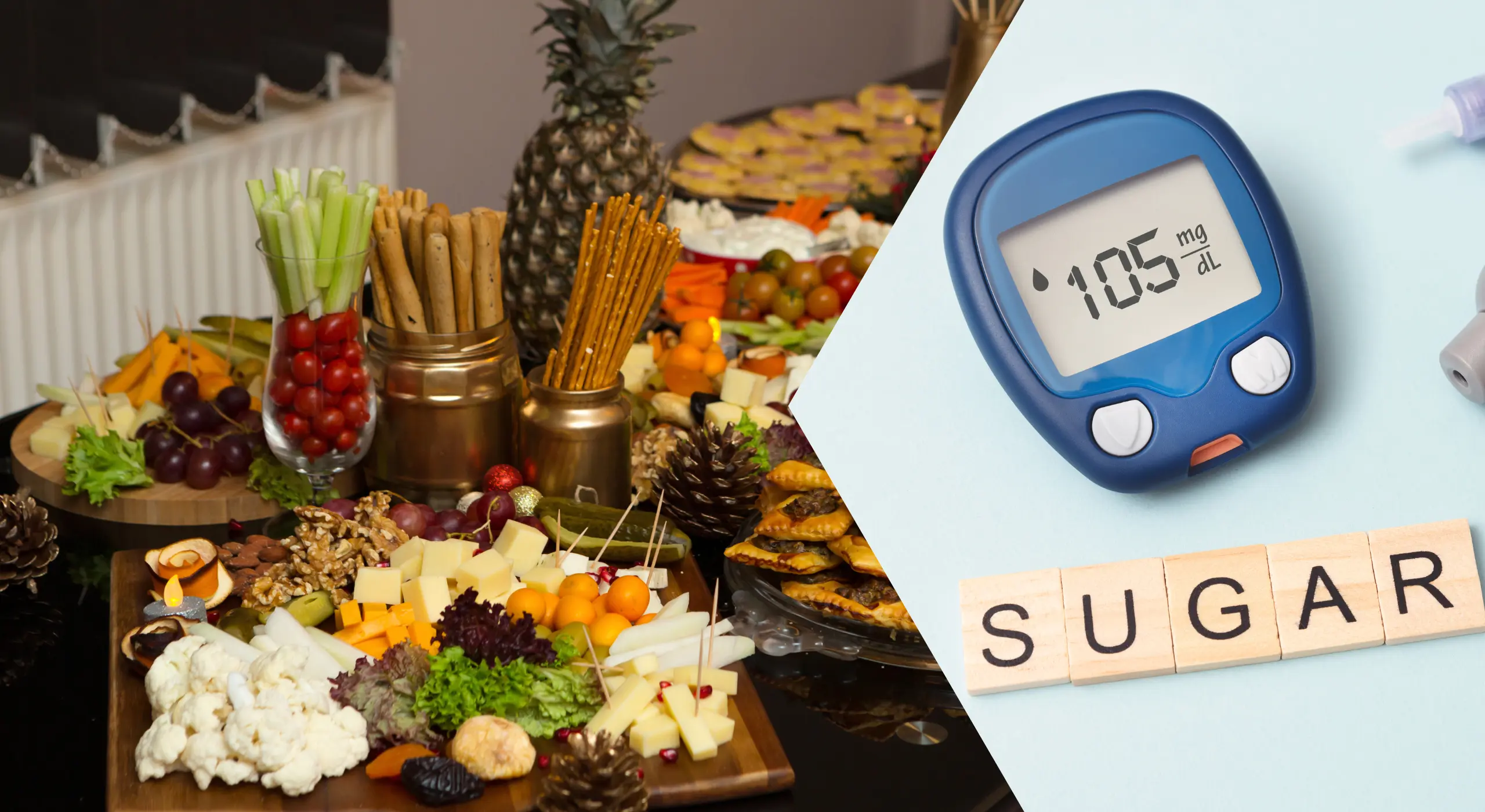
Table of Contents
Celebrate Without Losing Control
Festivals and weddings are joyful, but for people with diabetes they can also bring irregular meals, sugary foods, late nights and travel stress. The goal is not to avoid celebrations, but to enjoy them with a clear plan so your blood sugar stays stable and you feel in control. With a few smart choices, managing diabetes during festivals and weddings becomes much easier.
A little preparation helps more than strict restriction. If you know how to handle sweets, plan meals, and protect your routine during travel and late-night events, you can participate fully without fear of sugar spikes.
Why Festivals and Weddings Affect Sugar Control
Festive days often change your normal rhythm. Meals happen late, portions are larger, and sweets are everywhere. Sleep gets cut short, walking is reduced, and travel may mean long hours sitting or eating on the go.
These changes matter because diabetes control depends on consistency. When your timing, food choices and activity pattern change suddenly, your blood sugar can swing up and down. That is why planning ahead is one of the most important parts of diabetes during festivals.
Plan Before the Event Starts
A successful celebration begins before the function or travel begins. If you prepare in advance, you will make better choices without feeling deprived.
Here are a few simple steps:
- Check your blood sugar more often in the days leading up to the event.
- Keep your medicines, insulin and testing supplies ready.
- Eat lighter meals before attending a party or wedding.
- Do not go hungry to a function, because that often leads to overeating later.
- Carry a small emergency snack if you may be delayed.
If you are travelling, pack medicines in your hand luggage or day bag, not in checked baggage. Keep them in their original packaging and make sure you have enough for a few extra days in case of delays.
How to Handle Sweets Wisely
Sweets are part of almost every celebration. The problem is not always one sweet item, but repeated tasting throughout the day. Small bites of multiple desserts can raise sugar more than you expect.
A better way to handle sweets is:
- Choose one sweet you really want instead of trying everything.
- Take a small portion and eat it slowly.
- Eat sweets after a proper meal, not on an empty stomach.
- Pair sweet foods with a walk if possible.
- Skip sugary drinks if you already had dessert.
You do not need to be rigid or feel guilty. The key is portion control and awareness. If you are attending multiple events, save your sweet choice for one occasion instead of all of them.
Smart Food Choices at Functions
Buffets can be challenging because there is so much variety. The easiest method is to fill your plate in a planned way.
A simple plate rule:
- Half the plate: vegetables or salad.
- One-quarter: protein such as dal, paneer, eggs, chicken or fish.
- One-quarter: rice, roti or another carb item.
Try to avoid:
- Fried snacks.
- Creamy gravies.
- Sugary drinks.
- Large helpings of rice and desserts together.
If possible, eat slowly and stop when you feel comfortably full. Many people with diabetes end up eating more at functions because they are distracted by conversation and continue serving themselves without noticing.
Travel Tips for Diabetics
Travel often changes meal timing and activity level. Long car rides, airport waiting and train journeys can affect sugar control. That is why travel tips for diabetics are so useful during festive seasons.
Helpful travel habits:
- Carry enough medicine for the whole trip.
- Keep a glucometer, strips and quick sugar source handy.
- Drink water regularly.
- Walk or stretch during long journeys whenever possible.
- Avoid skipping meals just because your schedule is busy.
- Do not rely only on snacks from rest stops or stations.
If you use insulin, make sure you know how to store it safely according to the label instructions. Heat can damage it, so protect it during travel.
Managing Late Nights
Weddings and festive gatherings often go on late into the night. Late nights can affect blood sugar because sleep loss and delayed meals may increase stress hormones and hunger the next day.
To reduce the impact of late night diabetes tips, try this:
- Eat dinner before the event if the function starts very late.
- If food is served late, keep the portion light.
- Avoid repeated tea, coffee or sugary drinks at night.
- Return to your normal schedule the next day instead of continuing late eating.
- Sleep as soon as you can after reaching home.
One late night will not ruin diabetes control, but repeated late meals and sleep loss can make sugar harder to manage. If you know the event will end late, plan your medicine and meal timing with your doctor’s advice.
Watch for Hypoglycemia Too
Sometimes people focus only on high sugar during celebrations, but low sugar can happen too, especially if you eat less than usual, travel a lot, or take medicine at the normal time without enough food.
Symptoms of low sugar can include:
- Sweating.
- Shaking.
- Sudden hunger.
- Dizziness.
- Fast heartbeat.
- Confusion.
Carry quick sugar sources such as glucose tablets or juice if your doctor recommends them. If you feel low, treat it immediately and do not wait. This is especially important when travelling or attending long events.
Alcohol and Festive Drinks
Some celebrations include alcohol. If you drink, do so carefully and only if your doctor says it is safe for you. Alcohol can cause sugar to fall later, especially if taken without food or combined with diabetes medicines.
Avoid sweet cocktails, mixers and excessive drinking. It is also a bad idea to drink alcohol on an empty stomach. Water and moderation matter more than people think during events.
Family and Social Pressure
Festivals and weddings often come with pressure from relatives to eat more or “just taste a little.” This can be uncomfortable, especially if you are trying to manage diabetes carefully.
A few polite responses help:
- “I’m taking a small portion, thank you.”
- “I’ll have dessert later.”
- “My doctor asked me to watch my sugar.”
You do not need to explain your full medical history to everyone. A simple answer is enough. When family understands your needs, it becomes easier to enjoy the event without stress.
After the Celebration
Do not try to “punish” yourself the next day by skipping meals. Instead, return to your normal routine and check your sugar if you are unsure how the event affected you.
The next day:
- Eat balanced meals.
- Drink enough water.
- Walk a little more if possible.
- Resume medicines on time.
- Check blood sugar if your doctor has advised regular monitoring.
One event does not define your diabetes control. What matters is your overall pattern over weeks and months.
A Practical Festival and Wedding Checklist
Use this simple checklist before attending:
- Medicines packed.
- Glucometer available.
- Water bottle carried.
- One planned sweet portion only.
- No fasting unless medically advised.
- Travel snacks ready.
- Sleep plan for the night.
- Emergency contact saved.
This kind of preparation makes managing diabetes during festivals and weddings much easier and less stressful.
Final Thoughts
You do not need to avoid festivals or weddings because of diabetes. With planning, portion control, medicine awareness and a little discipline, you can join celebrations and still protect your health. The best approach is balance, not fear.
If you make a plan before the event, stay mindful during the celebration and return to routine afterward, you can enjoy special occasions without major sugar swings.
FAQs
1. Can I eat sweets if I have diabetes?
Yes, but in small portions and preferably after a balanced meal.
2. What should I carry while travelling for a wedding or festival?
Carry medicines, glucometer, strips, water and a quick sugar source.
3. Are late-night meals harmful for diabetes?
Occasional late meals are manageable, but frequent late nights can disturb sugar control.
4. Should I skip meals before a function?
No. Skipping meals often leads to overeating and higher sugar later.
5. What if my sugar is low during an event?
Treat it immediately with a fast-acting sugar source and follow your doctor’s guidance.