

Sudden Blood Pressure Spikes During Weather Changes: Causes & Care
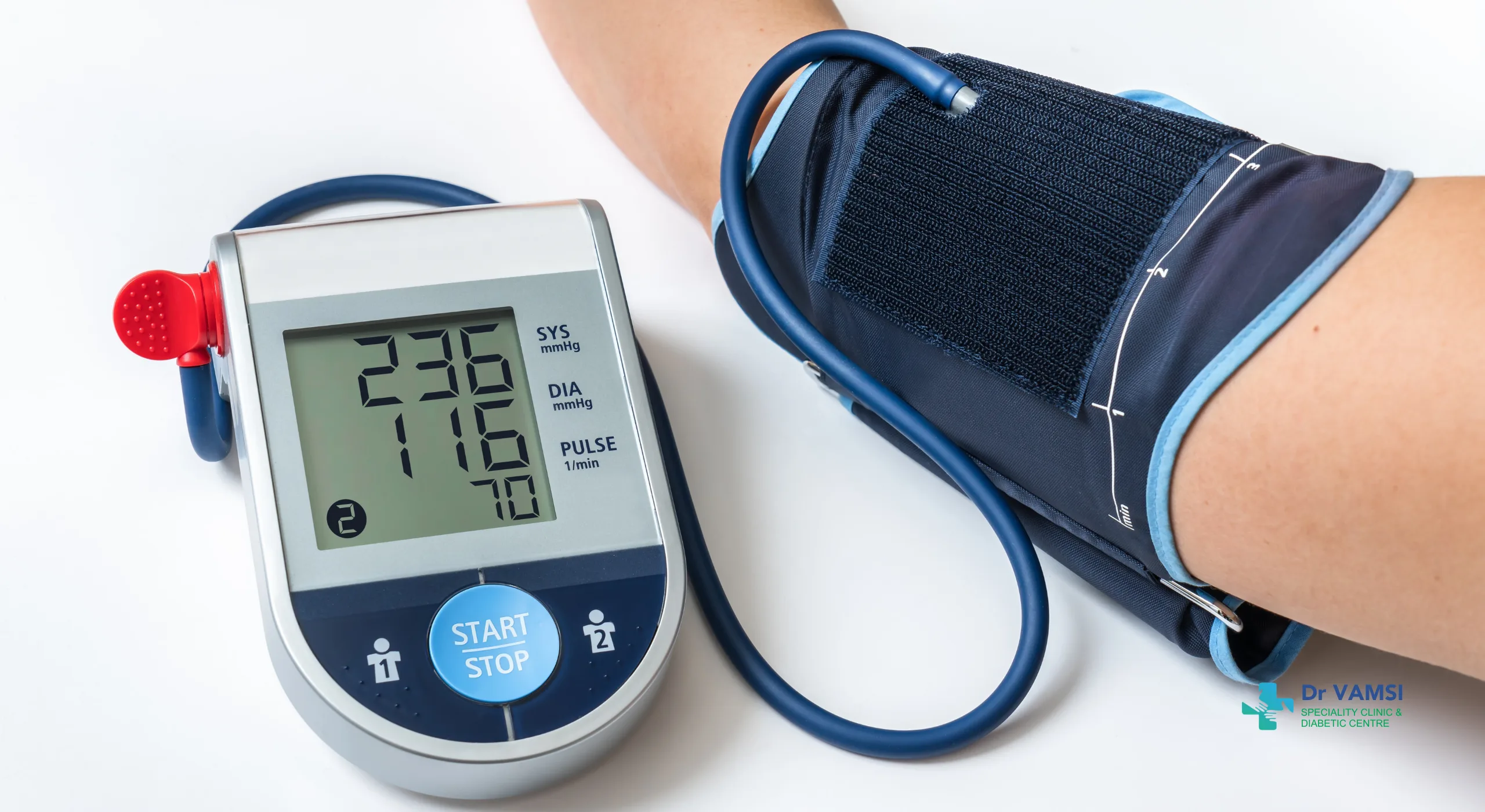
Table of Contents
Sudden Blood Pressure Spikes During Weather Changes: Causes & Care
The transition into the monsoon season brings soothing rain and a much-needed break from the scorching summer heat. However, for your cardiovascular system, this shift is not always as relaxing as it feels. The rapid environmental changes, ranging from heavy humidity to sudden temperature drops, can create an internal biological tug-of-war, frequently leading to sudden blood pressure spikes.
Many people mistakenly believe that cardiovascular risks only exist during extreme winter cold or peak summer heat. However, clinical data shows that atmospheric shifts during the pre-monsoon and monsoon periods are notorious for triggering sudden blood pressure spikes in both chronic hypertension patients and those who previously had no heart issues. If you have been feeling unexplained headaches, dizziness, or chest discomfort as the weather changes, your body might be struggling to adapt.
The Biological Connection: How Weather Shifts Strain the Heart
Understanding the link between your environment and your arteries is the first step in protecting your heart health rainy season routines. During the monsoon, several environmental factors occur simultaneously, creating a perfect storm for cardiovascular strain.
Vasoconstriction from Cold Rain
When you are suddenly exposed to cool winds or cold rain, your body immediately attempts to preserve its core heat. It does this through a process called vasoconstriction, where your peripheral blood vessels narrow. Because the circulatory path is now tighter, your heart has to pump much harder to push blood through your system. This increased mechanical strain on the heart is a primary driver of sudden blood pressure spikes during seasonal transitions.
The Danger of High Humidity
One of the most overlooked monsoon-related heart risks is the relationship between humidity and blood pressure. High humidity prevents your sweat from evaporating efficiently. To cool you down, your heart is forced to beat faster and work harder to send blood to the skin’s surface. This creates immense cardiovascular stress, often resulting in sudden blood pressure spikes or erratic heart rates, even when you are just resting indoors.
Silent Dehydration: The Hidden Trigger
Because the weather feels cooler during the monsoon, people naturally consume less water than they do in the summer. This creates a false sense of hydration. This “silent dehydration” reduces your overall blood volume and makes your blood slightly thicker (increased viscosity).
You might assume that a lower blood volume would reduce your pressure, but the body’s compensation mechanism often does the exact opposite. The heart beats faster to compensate for the lack of fluid, while the body releases hormones that constrict blood vessels, directly resulting in sudden blood pressure spikes. Drinking 8 to 10 glasses of filtered water daily is essential to keep the blood moving smoothly and prevent these dangerous fluctuations.
High-Risk Groups: Who Needs to Be Most Careful?
While anyone can experience cardiovascular strain, certain groups are highly vulnerable to weather-induced sudden blood pressure spikes:
- The Elderly: As we age, our arteries naturally lose some of their elasticity and become stiffer. This makes it much harder for an older adult’s cardiovascular system to adapt to rapid temperature shifts, putting them at high risk for sudden blood pressure spikes.
- Patients with Hypertension: If you are already taking blood pressure medication, the added stress of humidity and cold can destabilize your well-controlled numbers.
- Diabetics: Diabetes can limit the body’s ability to respond to temperature extremes, making comprehensive seasonal care vital.
Lifestyle and Dietary Pitfalls During the Monsoon
The rainy season naturally changes our daily habits, often in ways that harm our heart. Heavy rains keep us indoors, abruptly halting our daily walking and exercise routines. This sudden sedentary behavior contributes to poor circulation and worsening blood pressure control.
Furthermore, the drop in sunlight can trigger biological cravings for high-sodium, deep-fried comfort foods like samosas and pakoras. Excessive salt intake forces the body to retain water, expanding the blood volume and acting as a direct catalyst for sudden blood pressure spikes. Limiting your sodium intake and swapping fried snacks for roasted alternatives is crucial for heart health rainy season management.
Common Mistakes in Home Blood Pressure Monitoring
Many patients try to monitor their readings at home, but user error is incredibly common during weather shifts. To avoid false alarms about sudden blood pressure spikes, make sure you avoid these mistakes:
- Measuring instantly after coming inside: If you just walked in from the cold rain or high humidity, your body is still adjusting. Wait and rest in a comfortable chair for at least 5 minutes.
- Incorrect Posture: Always sit with your feet flat on the floor and your arm supported at heart level.
- Checking after coffee or stress: Caffeine and emotional stress temporarily elevate your numbers, giving an inaccurate baseline.
When to Consult a Hypertension Doctor in Whitefield
Do not dismiss a persistent headache, unexplained fatigue, shortness of breath, or dizziness as “just the weather”. These are classic red flags that your cardiovascular system is failing to regulate pressure properly.
Knowing your baseline is critical. The normal blood pressure of a healthy human adult is generally around 120/80 mmHg. If your home monitor shows readings consistently higher than your normal range, do not wait for the weather to clear up. Skipping or altering your medications because your readings are erratic is highly dangerous.
Instead, you need expert clinical evaluation. Finding a reliable hypertension doctor Whitefield means consulting someone who understands how the local Bangalore climate impacts your heart. Dr. Vamsavardhana Reddy P at Dr. Vamsi Speciality Clinic & Diabetic Centre offers precise cardiovascular risk screenings, medication adjustments, and personalized preventive care to keep your heart safe throughout the season.
Frequently Asked Questions (FAQs)
1. Why do I experience sudden blood pressure spikes when the weather gets cold?
Cold weather causes your peripheral blood vessels to constrict (narrow) to preserve core body heat. This forces your heart to pump much harder to push blood through the narrowed space, resulting in sudden blood pressure spikes.
2. Can high humidity really affect my heart?
Yes. The relationship between humidity and blood pressure is significant. High humidity prevents sweat from evaporating efficiently, forcing your heart to beat faster to cool your body down, which causes immense cardiovascular stress.
3. What is the normal blood pressure range?
The generally accepted normal blood pressure for a healthy adult is 120/80 mmHg. However, targets may vary slightly based on age and existing medical conditions, so it is best to consult your doctor.
4. Does dehydration cause blood pressure to go up or down?
It can do both, but “silent dehydration” in cool weather often causes sudden blood pressure spikes. Dehydration reduces blood volume and thickens the blood, prompting the body to release hormones that constrict blood vessels and raise pressure.
5. Are sudden blood pressure spikes dangerous if I feel fine?
Yes. Hypertension is known as a “silent killer” because it often presents zero symptoms until serious damage has occurred. Frequent sudden blood pressure spikes place immense strain on your arteries, increasing the risk of heart attacks and strokes.
6. How can I manage my heart health rainy season risks?
Stay hydrated with 8-10 glasses of filtered water, avoid high-sodium fried comfort foods, engage in 30 minutes of indoor stretching or yoga daily, and never skip your prescribed medications.
7. When should I see a hypertension doctor Whitefield?
If you experience persistent dizziness, blurred vision, chest discomfort, or if your home blood pressure monitor consistently shows elevated readings, you should book an appointment with a hypertension doctor Whitefield immediately.
8. Can a sudden drop in barometric pressure cause joint pain and blood pressure changes?
Yes, atmospheric shifts, including drops in barometric pressure before it rains, can cause tissue expansion that leads to joint pain, while simultaneously creating a biological stress response that alters blood pressure.
9. Should I stop my blood pressure medicine if my reading is low during the summer or monsoon?
Never stop, skip, or change your blood pressure medication without medical guidance. Always consult your physician for proper adjustments.
10. What is the quickest way to respond to a BP spike at home?
Sit down, rest quietly, practice slow and deep breathing, and try to cool your body down. If the sudden blood pressure spikes are accompanied by chest pain or shortness of breath, seek emergency medical care instantly.
Need personalized cardiovascular care this monsoon? Visit Dr. Vamsi Clinic in Pattandur Agrahara, Whitefield, for expert hypertension management.