

Winter Joint Stiffness & Osteoarthritis: Managing Cold-Weather Joint Pain in Bangalore
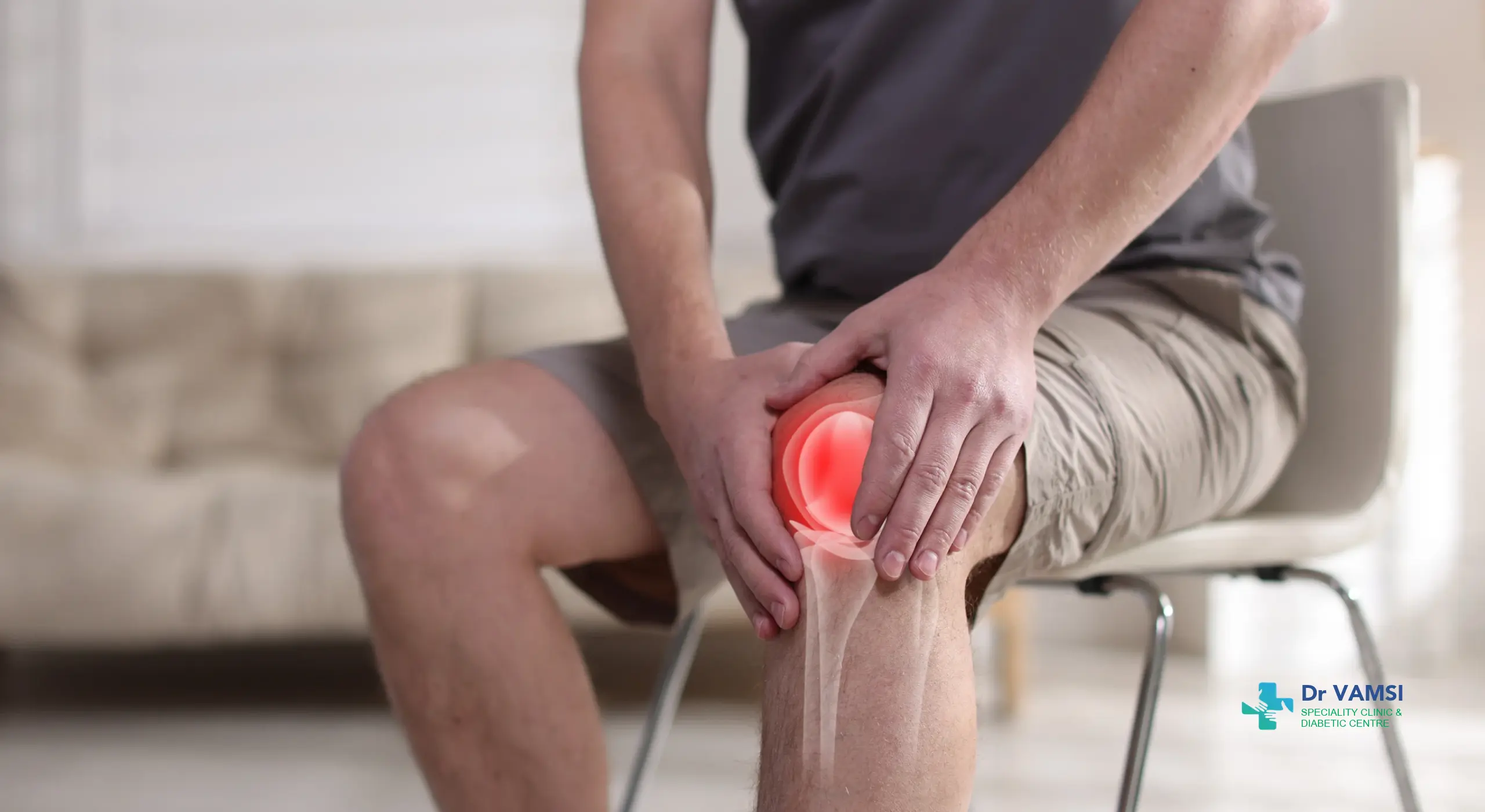
Table of Contents
Winter Joint Stiffness & Osteoarthritis: Managing Cold-Weather Joint Pain in Bangalore
As November arrives in Bangalore, bringing brisk early morning breezes, lower ambient humidity, and cooler night-time temperatures, local health clinics observe a predictable seasonal surge: patients complaining of deep aching joints, persistent knee stiffness, and reduced physical mobility. While winter in Bengaluru is generally mild compared to northern regions, the sudden drop in temperature and shift in atmospheric pressure frequently trigger severe discomfort for individuals living with joint conditions. Finding effective, long-term winter joint pain relief Bangalore residents can trust begins with understanding how seasonal weather shifts impact the musculoskeletal system.
Whether you are an active IT professional experiencing early morning stiffness in your knees or an older adult managing long-standing osteoarthritis, cold weather can significantly impair your quality of life. Understanding the physiological mechanisms behind cold-induced joint discomfort—and knowing when to seek professional medical evaluation—is essential to maintaining joint health, flexibility, and freedom of movement throughout the winter months.
The Biological Mechanism: Why Cold Weather Worsens Joint Pain
To understand why winter joint pain relief Bangalore becomes a top health priority every November, we must examine what happens inside human joints when ambient temperatures drop.
Joints are complex mechanical structures composed of cartilage, ligaments, bone, and a specialized lubricating fluid known as synovial fluid. Under normal conditions, synovial fluid maintains an egg-white consistency, allowing cartilage surfaces to glide over one another without friction. However, cold weather alters this delicate internal environment through several physiological mechanisms:
1. Synovial Fluid Thickening
Just as motor oil thickens in cold weather, dropping ambient temperatures increase the viscosity of synovial fluid inside joint capsules. This synovial fluid thickening creates mechanical resistance, making joint movement feel tight, sticky, and painful, particularly after several hours of rest during sleep.
2. Atmospheric Pressure Shifts & Tissue Expansion
Before or during cold weather fronts, barometric (atmospheric) pressure drops. Lower atmospheric pressure exerts less external pressure on human tissues, allowing surrounding muscles, tendons, and joint capsules to slightly expand. In a joint already affected by cartilage wear or inflammation, this subtle tissue expansion increases internal pressure, irritating sensitive nerve endings and worsening arthritis pain in cold weather.
3. Peripheral Vasoconstriction & Reduced Blood Flow
To conserve core body heat in cold weather, the autonomic nervous system triggers peripheral vasoconstriction, narrowing blood vessels in the limbs, hands, and feet. Reduced blood circulation to periarticular tissues deprives joint structures of warm, oxygen-rich blood, causing localized muscle tightness, ligament rigidity, and heightened pain sensitivity.
4. Increased Muscle Tension & Guarding
Cold weather naturally causes body shivering and subconscious muscle tensing. When muscles surrounding a joint remain tightly contracted for extended periods, they pull on joint attachments, accelerating mechanical stress and aggravating knee joint stiffness winter patients frequently report.
Differentiating Joint Pain: Cold Stiffness vs. Osteoarthritis vs. Rheumatoid Arthritis
Not all joint discomfort stems from the same underlying disease process. Differentiating between temporary cold-induced stiffness, degenerative osteoarthritis (OA), and inflammatory rheumatoid arthritis (RA) is crucial to receiving appropriate clinical care and winter joint pain relief Bangalore specialists recommend.
Clinical Parameter | Cold-Weather Joint Stiffness | Osteoarthritis (OA) Flare-Up | Rheumatoid Arthritis (RA) |
Primary Underlying Cause | Synovial fluid thickening & micro-vascular constriction | Mechanical cartilage wear & tear | Autoimmune joint lining inflammation |
Morning Stiffness Duration | 10 to 20 minutes (eases after warming up) | 20 to 30 minutes | Greater than 60 minutes |
Joint Symmetry | Asymmetrical or localized to previously injured joints | Asymmetrical (typically knees, hips, hands) | Symmetrical (identical joints on both sides) |
Systemic Symptoms | None (no fever or weight loss) | Rare (localized crepitus/grinding) | Common (fatigue, low fever, malaise) |
Impact of Heat & Warmth | Rapid relief with hot showers/packs | Moderate relief | Minimal relief; requires disease-modifying meds |
Primary Clinical Focus | Gentle stretching & thermal retention | Cartilage protection & targeted physio | Rheumatological evaluation & DMARD therapy |
High-Risk Groups: Who Experiences Worse Winter Joint Pain?
While cold weather can cause mild stiffness in anyone, certain patient populations are especially vulnerable to severe seasonal flare-ups requiring targeted winter joint pain relief Bangalore medical guidance:
- Seniors & Older Adults: Natural age-related thinning of joint cartilage reduces the shock-absorbing buffer between bones, making cold-induced tissue expansion significantly more painful.
- Patients with Osteoarthritis: Individuals with existing wear-and-tear in weight-bearing joints (knees, hips, lower spine) experience pronounced pain when synovial fluid thickens.
- Individuals with Prior Joint Injuries: Joints that have previously suffered ligament tears, fractures, or surgical interventions retain microscopic scar tissue that reacts strongly to temperature and barometric shifts.
- Desk-Bound IT Professionals: Extended hours of sitting in air-conditioned offices without regular movement cause fluid stasis inside joints, exacerbating knee joint stiffness winter commuters face.
- Individuals with Low Vitamin D Levels: Reduced sunlight exposure during winter lowers blood Vitamin D levels, which impairs bone mineral density and heightens neuromuscular pain perception.
Practical Action Plan: Managing Winter Joint Stiffness at Home
Achieving effective winter joint pain relief Bangalore residents can practice daily requires a combination of thermal management, structured movement, proper hydration, and ergonomic support:
1. Prioritize Layered Warmth and Thermal Clothing
Prevention starts with keeping your joints warm. Wear thermal knee sleeves, warm leggings, or compression wraps during early morning hours and evening commutes. Covering weight-bearing joints prevents sudden cold exposure from triggering vasoconstriction and muscle guarding.
2. Use Moist Heat Therapy Safely
Applying moist heat, such as a warm shower or a warm compress, for 15 to 20 minutes in the morning helps thin viscous synovial fluid and increases blood circulation to stiff joints. (Note: Diabetic patients with reduced skin sensation must carefully test water temperature to prevent accidental burns).
3. Engage in Low-Impact Indoor Movement
While cold winds make outdoor morning walks challenging, remaining sedentary worsens joint gelling. Practice low-impact indoor exercises such as stationary cycling, joint rotation stretches, yoga, or gentle walking on carpeted surfaces to keep joint fluid circulating smoothly.
4. Maintain Optimal Hydration & Anti-Inflammatory Diet
Dehydration reduces the water content of joint cartilage, impairing its cushioning capacity. Drink adequate warm water throughout the day. For effective winter joint pain relief Bangalore nutrition, incorporate anti-inflammatory foods rich in Omega-3 fatty acids (flaxseeds, walnuts, fish), turmeric (curcumin), ginger, and fresh leafy greens into your winter meals.
5. Check and Supplement Vitamin D Levels
Because Vitamin D plays a crucial role in bone health and muscle function, having your blood levels checked during winter is essential. If deficient, medical supplementation under a doctor’s guidance helps reduce generalized musculoskeletal aching.
Clinical Care at Dr. Vamsi Clinic: Diagnostic & Therapeutic Pathways
When home measures are insufficient for achieving lasting winter joint pain relief Bangalore residents need, seeking evaluation from a knowledgeable physiotherapy general physician Whitefield trusts ensures that underlying joint pathology is correctly diagnosed and treated.
At Dr. Vamsi Speciality Clinic & Diabetic Centre in Whitefield, Dr. Vamsavardhana Reddy P (MBBS, MD General Medicine) offers comprehensive musculoskeletal and metabolic evaluations to help patients achieve lasting winter joint pain relief Bangalore relies on:
1. Detailed Clinical & Mobility Evaluation: Assessment of joint range of motion, gait stability, crepitus (grinding sounds), and localized inflammatory signs.
2. Targeted Inflammatory & Metabolic Blood Panels: Screening for inflammatory markers (ESR, C-reactive protein), uric acid levels (to rule out gout), Rheumatoid Factor (RA Factor), and Vitamin D/Calcium levels.
3. Digital Imaging Integration: Utilizing targeted digital X-rays to evaluate cartilage space loss, osteophyte (bone spur) formation, and structural alignment.
4. Tailored Multi-Modal Treatment Plans: Combining stomach-friendly anti-inflammatory medications, cartilage-protective supplements, customized physical therapy referrals, and lifestyle guidance designed to restore full mobility.
Frequently Asked Questions (FAQs)
1. Why do my knees hurt more in winter in Bangalore?
Cold weather causes synovial fluid thickening inside the joint capsule and triggers peripheral vasoconstriction, reducing blood supply to periarticular tissues. Additionally, dropping barometric pressure allows joint tissues to slightly expand, irritating sensitive nerve endings and aggravating knee joint stiffness winter patients experience.
2. What is the fastest way to get winter joint pain relief Bangalore residents can try at home?
Applying moist heat (such as a 15-minute warm shower or heating pad) in the morning, followed by gentle range-of-motion stretching and wearing thermal knee sleeves, provides rapid relief by thinning joint fluid and increasing local blood flow.
3. Is walking outdoors in cold morning air bad for osteoarthritis?
Outdoor walking in cold air is not inherently harmful, but walking with unprotected, cold joints can cause muscle tightness and increased pain. Wear warm, layered clothing and knee support, do 5 minutes of indoor warming stretches first, and choose flat, non-slippery surfaces.
4. How can I differentiate cold stiffness from serious arthritis?
Cold-induced stiffness typically lasts less than 20 minutes and resolves quickly once you warm up and move around. If your morning joint stiffness lasts longer than 30 to 60 minutes, causes persistent swelling or redness, or affects identical joints symmetrically on both sides, consult a physician to evaluate for osteoarthritis or rheumatoid arthritis.
5. Should I apply heat or ice to stiff winter joints?
For chronic winter stiffness and aching without acute swelling, heat therapy is best because it relaxes muscles and thins joint fluid. Use ice only if a joint is acutely swollen, red, hot to the touch, or newly injured.
6. Can Vitamin D deficiency make winter joint pain worse?
Yes. Lower sunlight exposure during winter frequently leads to Vitamin D drops. Vitamin D deficiency causes generalized bone pain, muscle weakness, and heightened pain sensitivity, making underlying arthritis pain in cold weather feel significantly more intense.
7. Are oil massages helpful for winter joint pain?
Gentle massage with warm sesame or mustard oil can soothe surrounding tight muscles and improve local blood circulation. However, avoid vigorous, forceful joint manipulation or cracking, especially if there is active joint inflammation.
8. Does atmospheric barometric pressure really affect joint pain?
Yes. Falling barometric pressure reduces external pressure on body tissues. This allows tissues surrounding damaged or arthritic joints to expand slightly, placing increased mechanical pressure on inflamed joint capsules and nerve endings.
9. Why is staying hydrated important for joint health in winter?
Cartilage is composed of up to 80% water. Cold dry air accelerates fluid loss, and when you drink less water in winter, cartilage loses shock-absorbing resiliency, increasing friction between bones and aggravating knee joint stiffness winter commuters suffer.
10. When should I consult a general physician or diabetologist for joint pain in Whitefield?
You should seek professional clinical evaluation if joint pain is accompanied by joint swelling, redness, loss of weight-bearing capacity, morning stiffness lasting over 40 minutes, or if you have diabetes and notice numbness or tingling alongside joint pain. Early diagnosis prevents permanent cartilage damage and improves mobility.
This article is for educational purposes. For personalized medical advice, diagnostic testing, and comprehensive gerd acid reflux treatment Whitefield solutions, schedule a consultation with Dr. Vamsavardhana Reddy P at Dr. Vamsi Speciality Clinic & Diabetic Centre.